
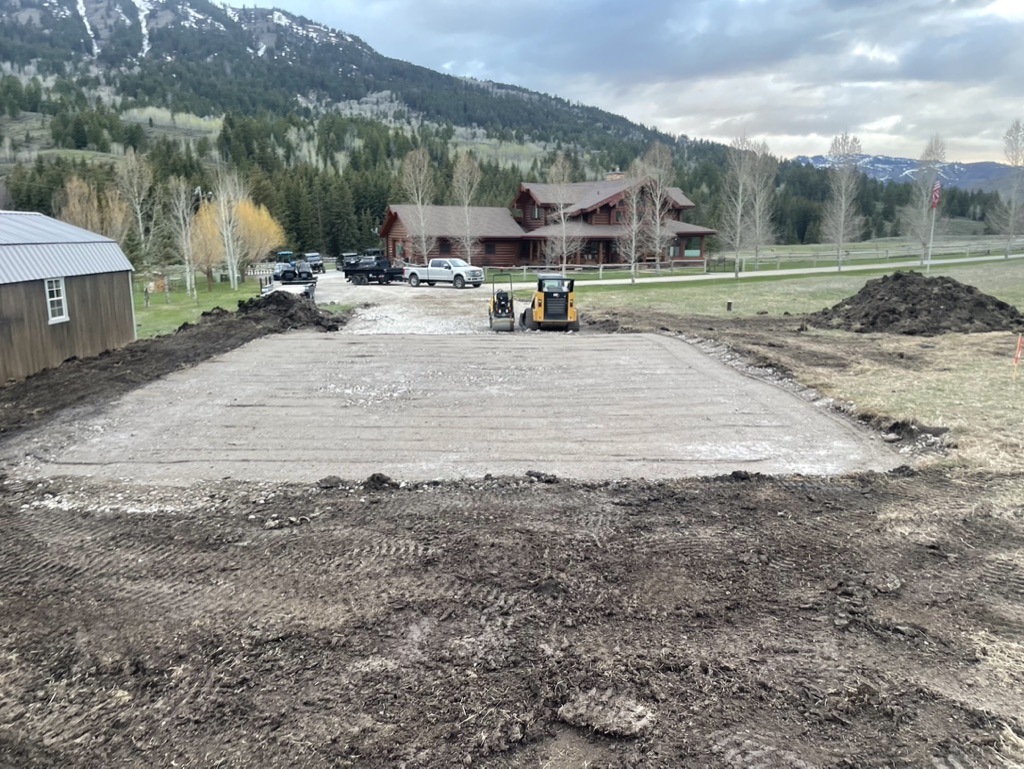
Excavation is a fundamental aspect of construction, serving as the initial phase that lays the groundwork for building projects of all types and sizes. Whether it’s digging trenches for utility lines, preparing building sites, or creating foundations, the excavation process is essential for shaping the terrain to accommodate the construction needs. In this article, we delve into the intricacies of excavation, exploring its various stages, equipment used, and safety considerations.
- Planning and Site Assessment:
Before any excavation work begins, thorough planning and site assessment are essential. Engineers and construction professionals carefully evaluate the site to determine factors such as soil composition, groundwater levels, existing utilities, and any potential obstacles or hazards. This information informs the excavation strategy and helps mitigate risks during the process.
- Marking and Clearing:
Once the site assessment is complete, the area earmarked for excavation is marked out using stakes, string lines, or spray paint. Vegetation, debris, and any existing structures or obstacles within the designated excavation zone are cleared to provide unobstructed access for heavy equipment and excavation crews.
- Excavation Equipment:
Excavation requires specialized equipment designed to handle various soil conditions and project requirements. Commonly used excavation equipment includes:
- Excavators: These versatile machines feature a bucket attached to a hydraulic arm, allowing for precise digging, lifting, and loading of soil and debris.
- Backhoes: Similar to excavators but with a bucket mounted on the back of the machine, backhoes are ideal for digging trenches and reaching tight spaces.
- Bulldozers: Equipped with a wide, flat blade at the front, bulldozers are used for pushing soil, grading terrain, and clearing vegetation.
- Trenchers: Specifically designed for digging narrow, deep trenches, trenchers are commonly used for laying utility lines and drainage systems.
- Excavation Techniques:
The excavation process involves various techniques depending on the project requirements and soil conditions. These techniques include:
- Open Excavation: This method involves removing soil from the surface to create a large, open area, commonly used for building foundations and site preparation.
- Trenching: Trenches are narrow, elongated excavations used for laying utility lines, such as water pipes, electrical cables, and sewer lines.
- Grading: Grading involves shaping the terrain to achieve the desired slope and elevation, ensuring proper drainage and stability for construction.
- Safety Considerations:
Excavation work poses inherent risks, including cave-ins, equipment accidents, and underground utility strikes. To mitigate these risks, strict safety protocols and regulations are enforced on construction sites. Safety measures may include:
- Proper shoring, sloping, or trench box installation to prevent cave-ins.
- Regular equipment inspections and maintenance to ensure safe operation.
- Use of personal protective equipment (PPE), such as hard hats, steel-toed boots, and high-visibility vests.
- Implementation of confined space procedures for working in underground areas.
- Environmental Considerations:
In addition to safety concerns, excavation projects must also adhere to environmental regulations to minimize impacts on surrounding ecosystems and natural resources. Measures such as erosion control, sedimentation ponds, and proper disposal of excavated soil are employed to protect water quality and wildlife habitats.
In conclusion, excavation is a crucial stage in the construction process, setting the foundation for successful building projects. From thorough planning and site assessment to the use of specialized equipment and adherence to safety and environmental regulations, each step of the excavation process plays a vital role in shaping the landscape and ensuring the safety and integrity of the final structure.
 UpBuilders LLC
Leave a comment